
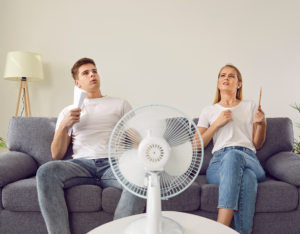
When Austin is under an extreme heat warning, you don’t want to spend hours hoping your air conditioner starts working again. The house can keep getting hotter, the kids or grandparents may need somewhere cooler to go, and suddenly you’re figuring out repairs and a backup plan at the same time. Knowing what to do when AC stops working in extreme heat helps you handle those first few hours safely and decide what needs to happen next.
Austin Air Conditioning has been serving the greater Austin area since 1990, so we’ve helped local families through plenty of AC breakdowns during some seriously hot weather. In this blog, we’ll cover how to handle the situation and when to call us versus other emergency services.
Why Losing Your AC Is More Serious During Central Texas’ Extreme Heat
There’s uncomfortable, and then there’s no AC in 100-degree weather. During an extreme heat warning, your home is taking on the sun’s heat for hours through the roof, windows, walls, and attic, while the temperature outside may stay dangerously high well into the evening. Once your air conditioning system stops removing that heat and humidity, indoor temperatures can keep climbing, and fans can only move the hot air around—they don’t actually cool it.
Whether you rely on central air conditioning or heat pump equipment, this is especially concerning for older adults, young children, pets, and anyone who is more vulnerable to heat-related illness. That’s why an AC failure during extreme heat calls for a plan that puts people first while you’re working on getting the system repaired.
What to Check First When You Lose Air Conditioning
When the house is getting hotter by the minute, it’s tempting to start pushing buttons and trying anything that might get the AC back on. But part of knowing what to do when AC stops working in extreme heat is knowing which checks are safe to make yourself and when to stop troubleshooting. Start with these basics before you call for service.
- Start at the Thermostat. Check the thermostat settings and make sure it’s set to COOL, not HEAT or FAN. Lower the set temperature a few degrees below the current indoor temperature. If the system starts but blows warm air instead of cool air, there’s likely more going on than an incorrect setting.
- Pull Out the Air Filter. If you can’t remember the last time you changed your air filter, take a look at it. A clogged air filter can seriously restrict airflow, especially when the system is already running long hours in extreme heat. Put in a new filter if it’s dirty, but don’t expect a filter change to fix an AC that’s clearly malfunctioning.
- Look for a Tripped Breaker. Go to your electrical panel and find the circuit breaker for your cooling equipment. If there’s a tripped breaker, you can reset it once. If it trips again, don’t keep flipping it back on—that’s a sign something needs to be checked by an HVAC technician.
If you find something simple, like the thermostat accidentally being switched to FAN, great—you may be back in business in a few minutes. But if these checks don’t bring the cooling back, stop there. Don’t open electrical panels on the equipment, remove covers, or spend the hottest part of the day watching DIY repair videos while the temperature inside keeps climbing. Call for AC service, then turn your attention to keeping everyone in the house safe and cool.
3 Times You Should Shut Your AC Off for Safety
Most AC problems can wait for a technician while the system stays off or on as appropriate, but a few situations call for shutting it down right away. If continuing to run the AC system could create an electrical or fire hazard, protecting the house comes before trying to keep it cool. These are three times to turn the system off and get professional help.
You Smell Burning, See Smoke, or Notice Sparks
A burning-plastic smell, smoke, or visible sparking can point to overheated wiring, a failing motor, or other electrical issues. Turn the system off at the thermostat and breaker, as long as you can do so safely, and don’t restart it to see if the problem goes away. If there’s active smoke or fire, leave the home and call 911.
The AC Breaker Trips More Than Once
One tripped breaker can happen, but a breaker that trips again after a single reset is doing its job by cutting power to a problem circuit. Your central air conditioning equipment could have a short, a failing component, or other electrical fault that needs to be diagnosed. Leave the breaker off rather than repeatedly resetting it and call an HVAC professional.
Water Is Reaching Electrical Equipment
A clogged condensate drain or overflowing drain pan can sometimes send water where it doesn’t belong. If water is dripping onto electrical components, wiring, an outlet, or the area around your indoor equipment, shut the AC off rather than letting it continue to run. Avoid touching wet electrical equipment and have both the leak and any affected electrical components checked before turning the system back on.
How to Protect Vulnerable People While Waiting for Help
When your central air conditioner quits during an Austin heat wave, pay especially close attention to babies and young children, older adults, and anyone who has a harder time handling high temperatures. An AC failure in heat wave conditions can turn a house that feels merely warm at first into a place that’s no longer safe for everyone to stay. Make a plan early using these AC outage safety tips rather than waiting until someone is already feeling sick.
- Set up in the coolest part of the house. Head downstairs if you can, close blinds against the afternoon sun, and stay away from rooms that are already noticeably hotter. Skip the oven, clothes dryer, and other appliances that will add even more heat indoors.
- Keep water cold and close by. Make sure everyone is drinking throughout the day instead of waiting until they’re thirsty. Lightweight clothing, a cool shower, or a damp washcloth can also provide some relief while you wait.
- Run fans while the house is still reasonably cool. Turn on ceiling fans in the rooms you’re using and set up portable fans to keep air moving across people while you wait. Just remember that fans cool people, not rooms. If the indoor temperature keeps climbing, running more fans isn’t a reason to stay in a house that’s becoming too hot.
- Decide where you’ll go if the house gets too hot. Maybe that’s your sister’s house across town, a neighbor’s place, a hotel, or a public cooling location. Figure it out before you need to leave so you aren’t trying to make arrangements after someone is already struggling with the heat.
Keep checking how hot the house is getting. Look at the current room temperature every so often and pay attention to how quickly it’s rising. If your AC stops cooling in the morning, conditions inside may be very different by late afternoon.
If someone becomes confused, faint, nauseated, unusually weak, or otherwise appears sick from the heat, get that person into air conditioning and seek medical help when appropriate. The AC can be dealt with once everyone is somewhere safe.
How to Locate Current Austin Area Cooling Center Information
On the hottest days, you don’t have to stay in a house that’s becoming dangerously hot while you wait for AC service. The City of Austin directs residents to air-conditioned public facilities, including libraries and recreation centers, and may extend opening hours during extreme heat emergencies. For current Austin cooling centers, locations, and hours, check the City of Austin’s official cooling-center information or call 3-1-1 before leaving home.
Once your AC is functioning correctly and the temperature inside has come back down, you can all safely return home.
When to Call Emergency HVAC Service Versus 911
When your AC goes out during extreme heat, you may need an HVAC technician quickly—but an AC emergency and a medical emergency aren’t the same thing. Pay attention to both the equipment and the people in the house, especially when outdoor temps and the heat index are dangerously high.
Call for Emergency HVAC Service When:
- Your AC has stopped cooling completely during an extreme heat warning.
- The system runs, but the temperature inside keeps climbing instead of coming down.
- You’ve checked the thermostat, filter, and breaker, and the system still won’t start.
- The AC repeatedly shuts down or can’t maintain a reasonable temperature.
Call 911 When:
- Someone becomes confused, disoriented, faints, or loses consciousness.
- Someone is having trouble breathing or experiencing a seizure.
- A person is extremely hot and showing signs of serious heat illness.
- You suspect heat stroke or another life-threatening medical emergency.
If you’re unsure whether someone’s heat-related symptoms are an emergency, always err on the side of getting medical help.
Austin Air Conditioning is available for emergency AC repair in Pflugerville and the Austin area, and we’ll get to you as quickly as we can. In the meantime, move your family to an air-conditioned location if staying home is becoming unsafe.
Need Help With Your Air Conditioner? We’re Here
Knowing what to do when AC stops working in extreme heat can help you keep everyone safe, but at some point, you need someone qualified who can get the air conditioning back on. Austin Air Conditioning has experienced technicians who know what to do next. We provide the emergency AC repair Austin area homes need when the heat is at its worst. Give us a call, get yourself and your family somewhere cool if you need to, and we’ll get to work on your AC.